
Dutch baby Pancake (German Pancake) one-pan baked pancake that puffs up like magic — ready in under 30 minutes and endlessly versatile.
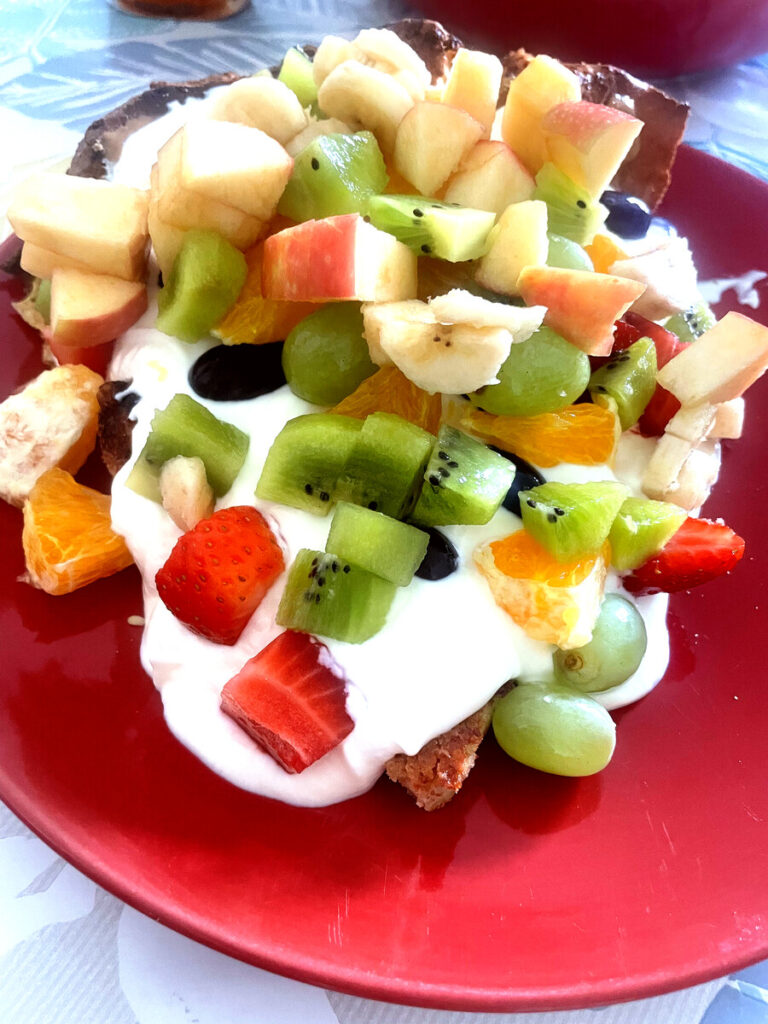
I started making Dutch baby Pancakes when it was just me in the kitchen — they were my special weekend treat, quick and impressive without any fuss. Now that we’ve grown to a family of three, I’ve simply tripled the recipe. What I love most is how versatile they are. We eat them different ways depending on each person’s preference: sometimes alongside a fresh fruit salad, sometimes drizzled with maple syrup and a dollop of creamy yogurt, and sometimes topped with our homemade strawberry chia jam.
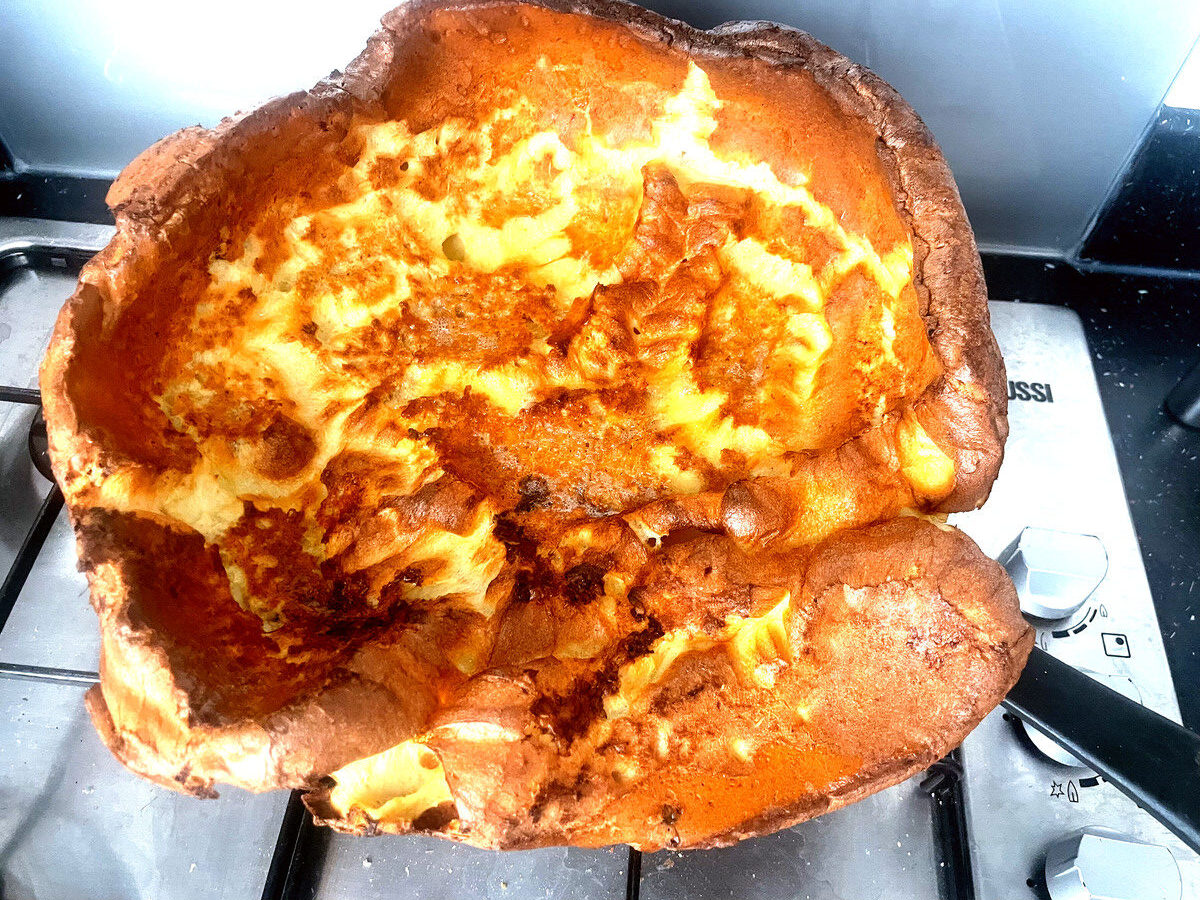
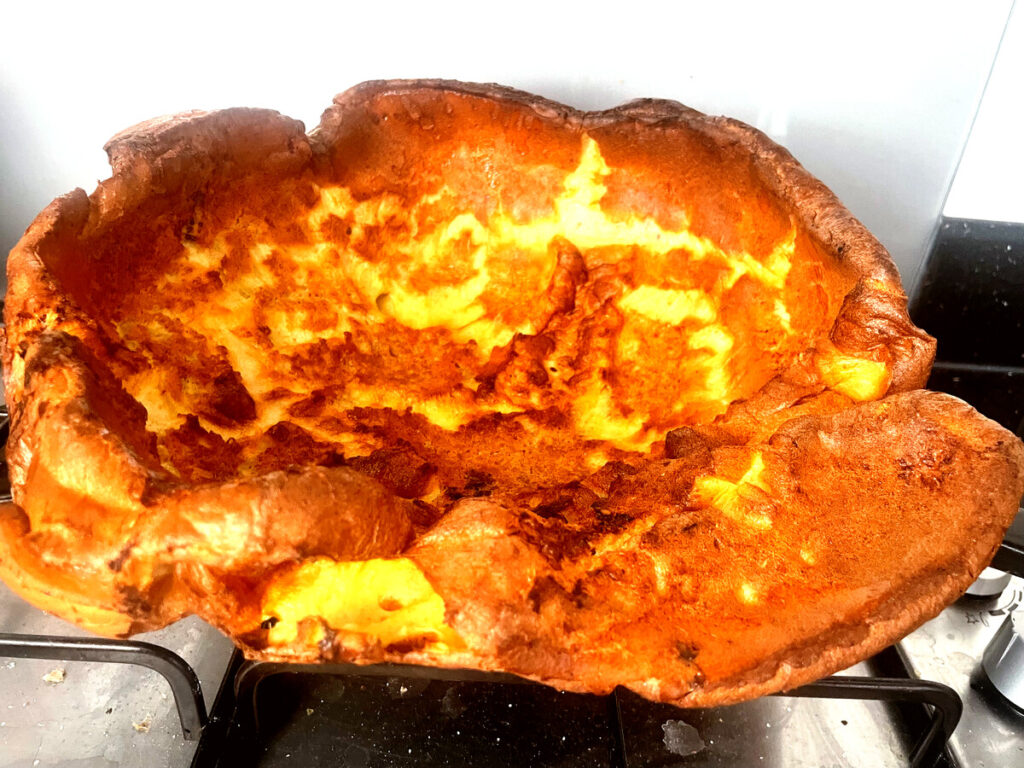
If you’ve never made a Dutch baby before, you’re in for a treat. Unlike regular pancakes, this one goes straight into the oven — no flipping, no hovering at the stove. The hot pan is the secret: it’s what makes the batter puff up dramatically at the edges and set into a soft, eggy centre. It’s one of those recipes that looks far more impressive than the effort it actually takes.
Tips for making Dutch baby pancakes (German pancakes)
- Use a cast iron skillet if you have one. It holds heat better than glass or ceramic, giving you a more dramatic puff and crispier edges. That said, any oven-safe skillet or baking dish works well.
- The hot pan is non-negotiable. This is the most important step in the whole recipe. A cold or warm pan means a flat pancake. Make sure it’s fully preheated before you add the butter and batter.
- Want an even better puff? Rest the batter. Blend it the night before, cover, and refrigerate overnight. Bringing your eggs to room temperature before you start also helps — take them out of the fridge about 15 minutes before blending.
- Scaling up is simple. To serve 3 to 4 people, use 6 eggs, 1 cup self-raising flour, 1 cup milk, ¾ teaspoon vanilla essence, 1 tablespoon maple syrup, and ¾ teaspoon cinnamon.
- No self-raising flour? Substitute plain flour and add ½ teaspoon of baking powder per ⅓ cup of flour.
- Have your toppings ready before the oven opens. Dutch babies deflate quickly — you want to top and serve while it’s still at its most impressive.
Dutch baby pancakes (German pancakes) Recipe
- 2 eggs
- ⅓ cup self-raising flour
- ⅓ cup milk
- ¼ teaspoon vanilla essence
- 1 teaspoon maple syrup
- ¼ teaspoon ground cinnamon
- Pinch of sea salt
- 1 tablespoon unsalted butter
How to make Dutch baby pancakes (German pancakes)
- Preheat your oven to 215°C (420°F). Place an oven-safe skillet or baking dish inside while it heats with the butter — you want the pan piping hot before the batter goes in. Give it at least 3–4 minutes.
- Add your eggs, flour, milk, vanilla essence, maple syrup, cinnamon, and sea salt to a blender. Blend until completely smooth, about 30 seconds. The batter should be thin — thinner than regular pancake batter. Alternatively, the ingredients can be whisked together – it’s ok if there are lumps.
- Swirl to coat the base and sides of the baking dish or skillet with the melted butter – ensure to try coat the sides of the dish or skillet. Pour the batter in straight away.
- Return the pan to the oven and bake for 25 minutes. Don’t open the oven door during baking. You’re looking for puffed-up, golden edges and a set (not wobbly) centre.
- Serve immediately with your choice of toppings. The Dutch baby will start to deflate within a minute or two of coming out of the oven — that’s completely normal and doesn’t affect the flavour at all.
Baby Led Weaning
Dutch baby pancakes (German pancakes) is a wonderful option for babies starting solids. The texture is soft and eggy in the centre with slightly crispier edges, making it easy for babies to hold and self-feed.
Important adjustments for babies under 1:
- Omit the sea salt entirely from the batter. Babies under 1 should have no added salt.
- Omit the maple syrup from the batter. Babies under 1 don’t need added sweeteners — the vanilla and cinnamon provide plenty of flavour on their own.
- Maple syrup as a topping should also be avoided for babies under 1.
- Eggs are a top allergen. If this is your baby’s first time having egg, introduce it separately first and watch for any reaction before serving a full portion.
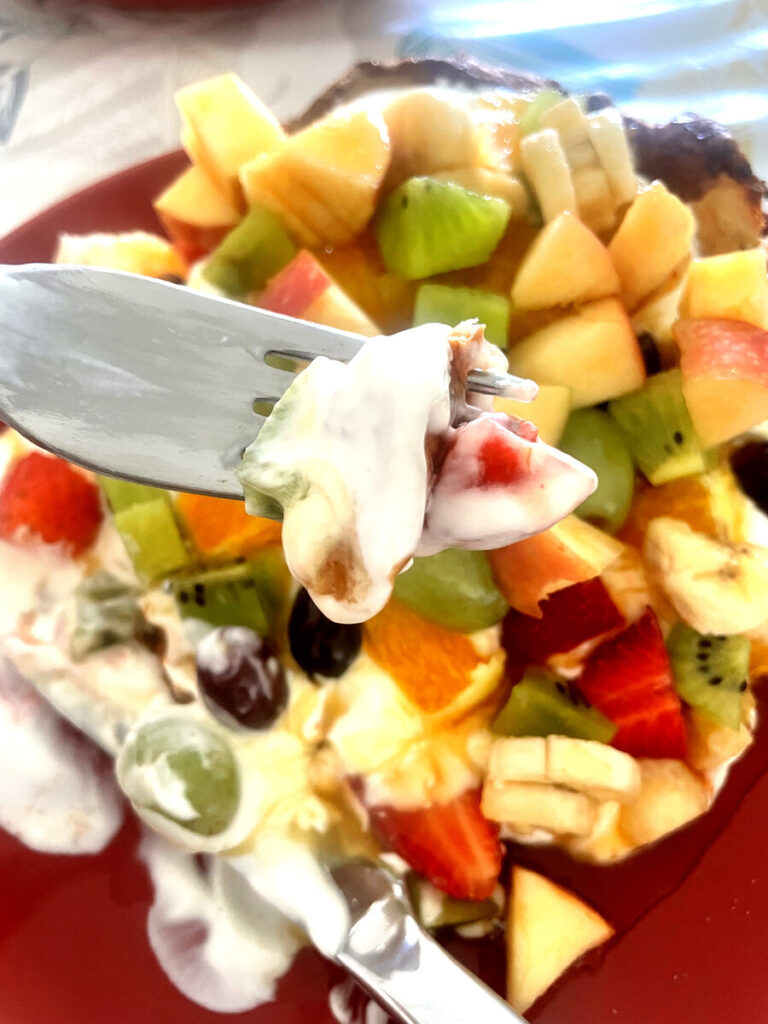
Serving tips for babies: Cut into strips or wedges that are easy for little hands to pick up and hold. Pair with soft fruit like banana slices, mango strips, or blueberries for a complete finger food breakfast. A dollop of Greek yogurt on the side adds protein and calcium.
Dutch baby pancakes (German Pancakes)
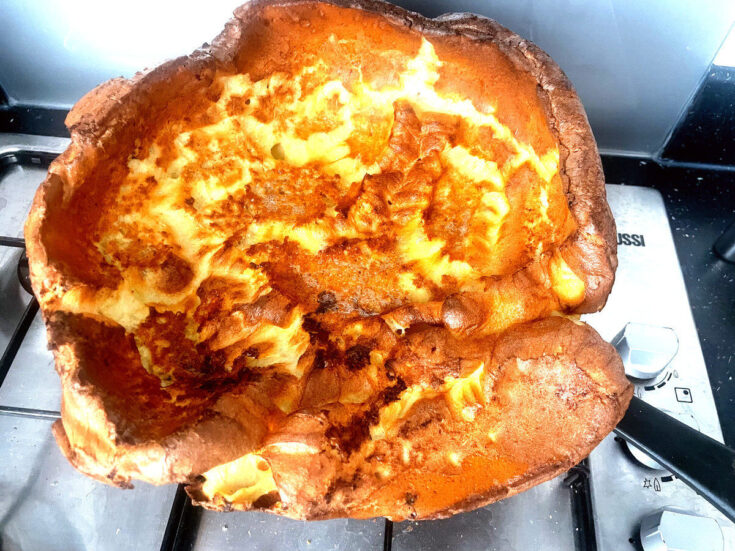
A one-pan baked pancake that puffs up like magic — ready in under 30minutes and endlessly versatile
Materials
- 2 eggs
- ⅓ cup self-raising flour
- ⅓ cup milk
- ¼ teaspoon vanilla essence
- 1 teaspoon maple syrup
- ¼ teaspoon ground cinnamon
- Pinch of sea salt
- 1 tablespoon unsalted butter
Instructions
- Preheat your oven to 215°C (420°F). Place an oven-safe skillet or baking dish inside while it heats with the butter — you want the pan piping hot before the batter goes in. Give it at least 3–4 minutes.
- Add your eggs, flour, milk, vanilla essence, maple syrup, cinnamon, and sea salt to a blender. Blend until completely smooth, about 30 seconds. The batter should be thin — thinner than regular pancake batter. Alternatively, the ingredients can be whisked together - it's ok if there are lumps.
- Swirl to coat the base and sides of the baking dish or skillet with the melted butter - ensure to try coat the sides of the dish or skillet. Pour the batter in straight away.
- Return the pan to the oven and bake for 25 minutes. Don’t open the oven door during baking. You’re looking for puffed-up, golden edges and a set (not wobbly) centre.
- Serve immediately with your choice of toppings. The Dutch baby will start to deflate within a minute or two of coming out of the oven — that’s completely normal and doesn’t affect the flavour at all.
Notes
1. Use a cast iron skillet if you have one. It holds heat better than glass or ceramic, giving you a more dramatic puff and crispier edges. That said, any oven-safe skillet or baking dish works well.
2. The hot pan is non-negotiable. This is the most important step in the whole recipe. A cold or warm pan means a flat pancake. Make sure it’s fully preheated before you add the butter and batter.
3. Want an even better puff? Rest the batter. Blend it the night before, cover, and refrigerate overnight.
Bringing your eggs to room temperature before you start also helps — take them out of the fridge about 15 minutes before blending.
4. Scaling up is simple. To serve 3, use 6 eggs, 1 cup self-raising flour, 1 cup milk, ¾ teaspoon vanilla essence, 1 tablespoon maple syrup, and ¾ teaspoon cinnamon. Use a larger pan or two pans
side by side.
5. No self-raising flour? Substitute plain flour and add ½ teaspoon of baking powder per ⅓ cup of flour.
6. Have your toppings ready before the oven opens. Dutch babies deflate quickly — you want to top and serve while it’s still at its most impressive.
Leave a Reply